Research Themes
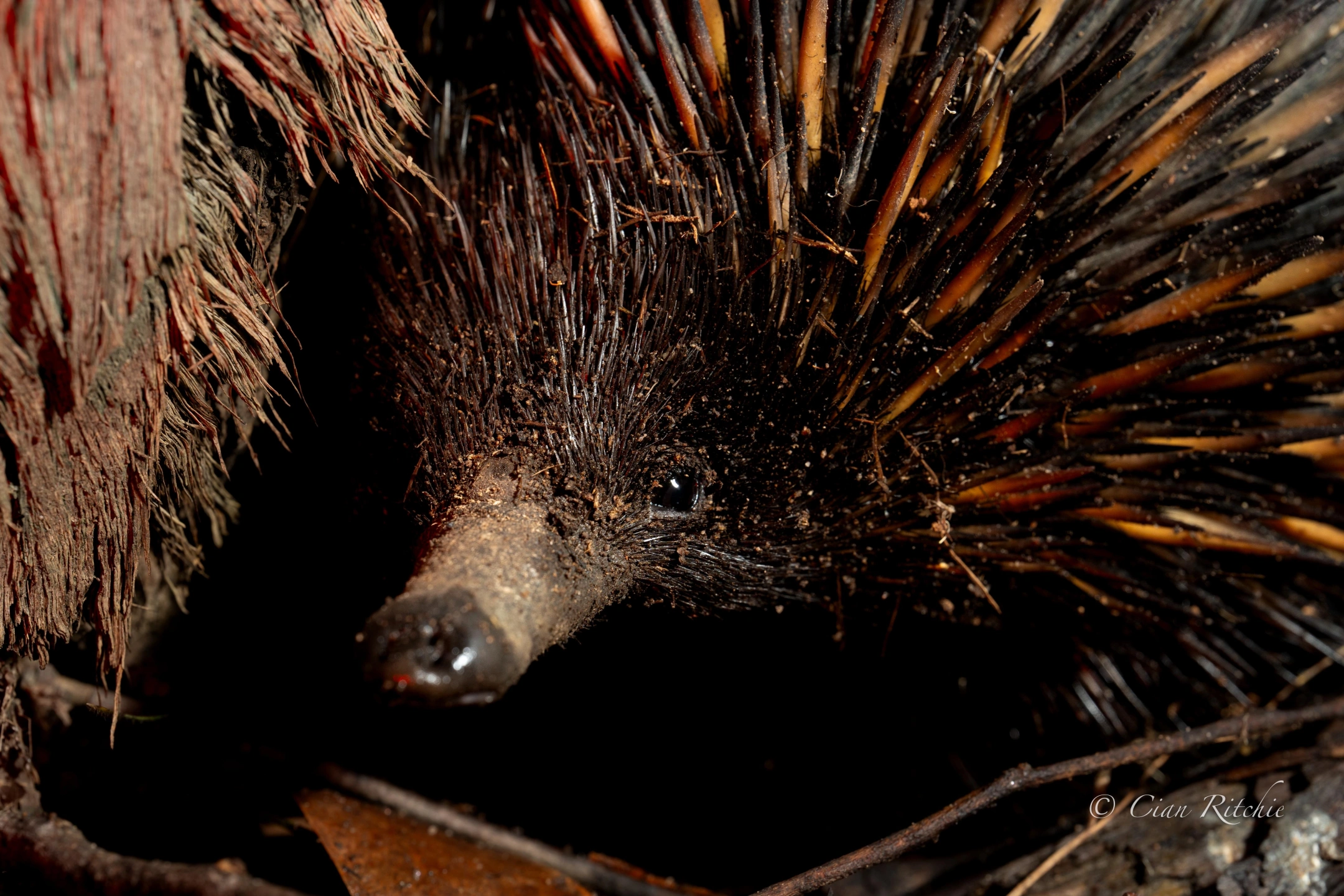
Echidna Conservation
Wildlife Hospital Data Analysis
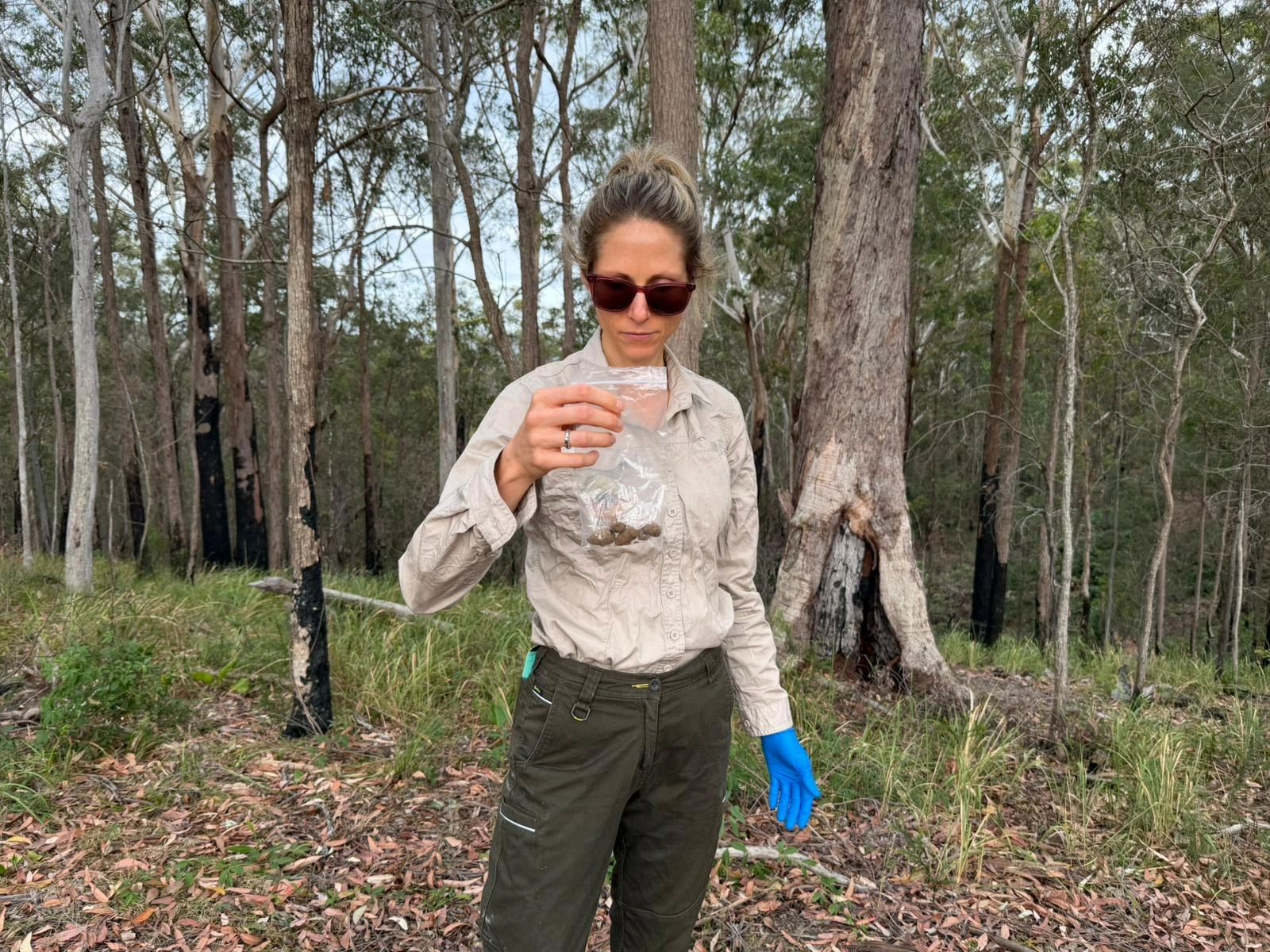
Red Imported Fire Ant & Wildlife Interactions

Our Lab
Our lab conducts applied conservation research to understand how wildlife populations are changing in human-dominated landscapes. We combine field ecology, wildlife health surveillance, physiology, and citizen science to build ecological baselines, detect emerging threats, and generate evidence that directly informs conservation management, biosecurity responses, and policy. Our work focuses on cryptic and data-deficient species, invasive species impacts, and the use of real-world datasets - such as camera traps and wildlife hospital admissions - to improve early warning systems for biodiversity decline and environmental health risks.
Our Core Research Themes
Echidna ecology and baseline monitoring Establishing long-term, scalable data on echidna abundance, distribution, and activity to address critical knowledge gaps for this cryptic native species.
Red Imported Fire Ant Impacts on Wildlife Investigating how invasive ants affect native wildlife behaviour, abundance, and physiological stress, with direct relevance to biosecurity and biodiversity management.
Wildlife health surveillance and threat detection Using wildlife hospital admissions and other large-scale datasets to identify spatiotemporal patterns in injury, disease, and mortality, and to strengthen early-warning systems for emerging environmental threats.
Current Research
Echidna Conservation



Red Imported Fire Ants & Wildlife Interactions
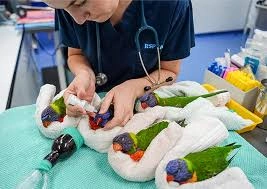
Wildlife Hospital Admissions - Causes & Outcomes

Help Us Understand the Health of Australia's Echidnas
Your support makes a real difference.
Donations help fund the vital research and community engagement behind Short-beaked Echidnas: Building a Baseline. Every dollar contributes to:
Purchasing research equipment (camera traps, field gear)
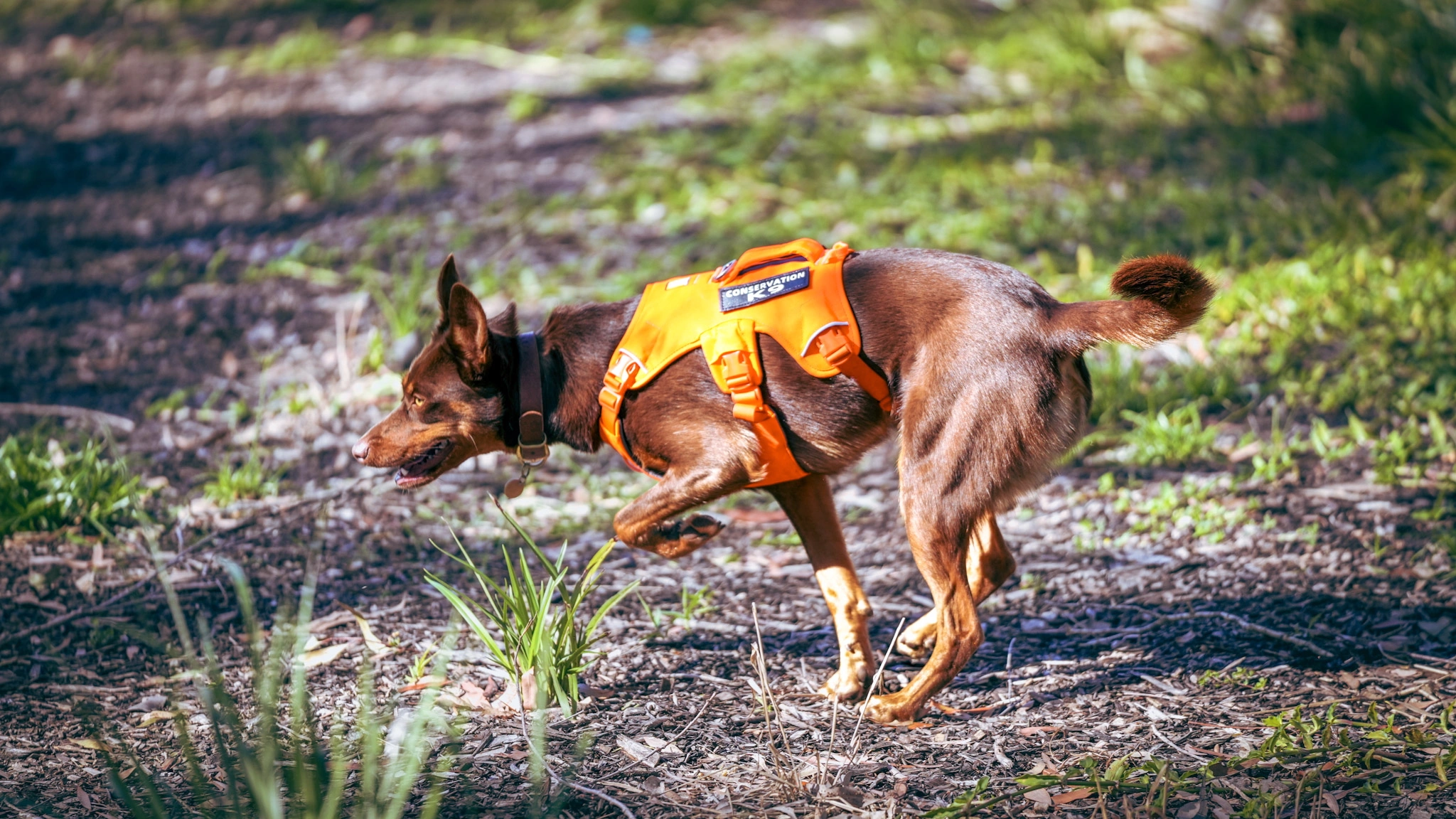
Training an echidna detection dog to locate scats and individuals
Supporting student research projects and field placements
Running workshops and training programs for volunteers
Providing assistance to wildlife carers and rescuers helping echidnas in need
Frequently Asked Questions
It’s tricky! Echidnas don’t have obvious external differences between males and females. While some people think males are larger, this isn’t reliably true — size varies among individuals, and males are not consistently bigger. Others assume you can tell by the pouch, but female echidnas only develop a temporary pouch during pregnancy and while raising a puggle (baby echidna). Outside of this period, there’s no visible pouch at all.
The only accurate way to determine an echidna’s sex is via ultrasound.
Echidnas are often assumed to be common, but there is little scientific data to support this. Across much of Australia — including South-East Queensland, Victoria, New South Wales, South Australia, and the Northern Territory — there is no baseline population data or long-term monitoring. Without this, we can’t accurately assess how echidnas are faring.
In contrast, the Kangaroo Island echidna population is listed as endangered — a status only made possible through ten years of dedicated data collection. Similar efforts are needed on the mainland to understand and protect local populations
An echidna train is a remarkable mating behaviour where several males follow a single female in a line, sometimes for weeks, hoping to win the chance to mate. This behaviour is common on Kangaroo Island but is rarely seen in Queensland and not observed in Tasmania.
Why the difference? Each echidna subspecies varies in its reproductive behaviour. Trains are more likely in areas with high echidna densities, like Kangaroo Island. In regions with lower densities or fragmented habitats — like much of Queensland — males may not encounter females in groups, making trains unlikely.
In Tasmania, it’s even colder — and echidna behaviour adapts accordingly. During winter, females remain in torpor (a form of hibernation), while males emerge early and use their strong sense of smell to locate and wake up females for mating. So instead of following a female in a train, Tasmanian males go straight to the source — even if she’s still asleep!
Yes! Echidnas are one of only two types of monotremes—egg-laying mammals—the other being the platypus. Female echidnas can lay up to three eggs at a time, although a single egg is most common. The egg is incubated in the mother’s temporary pouch and hatches after about 10 days
In the wild, echidnas typically live for 10–15 years. However, in captivity, they have been known to live for over 50 years. Their long lifespan, combined with slow reproduction, makes understanding population trends especially important for conservation.
Numbers
Sponsors and Supporters